Proud Mom Tshirt Design: A Designer’s Practical Review
As an embroidery designer who has spent years digitizing files and reviewing assets for client work, I approach every new Print Templates or Graphics download with a critical eye. It is not enough for a design to look pretty on a screen; it must survive the needle, the hoop, and the wash cycle. Recently, I evaluated the Proud Mom Tshirt Design to determine its viability for real-world production. This review breaks down how this asset performs when moved from digital concept to tangible, stitched reality.
First Impressions and Visual Personality
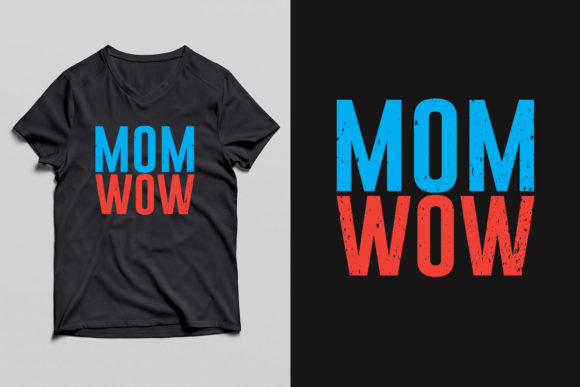
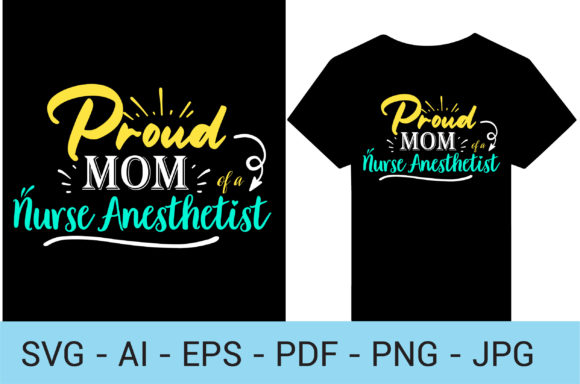
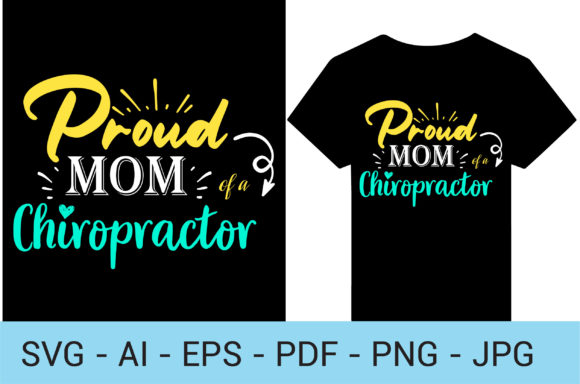
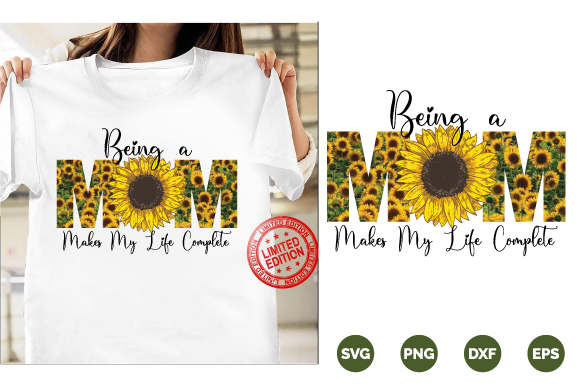
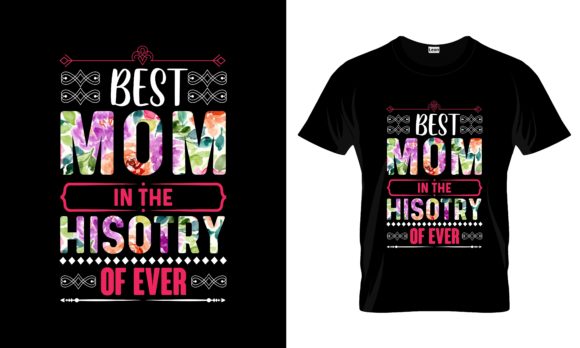
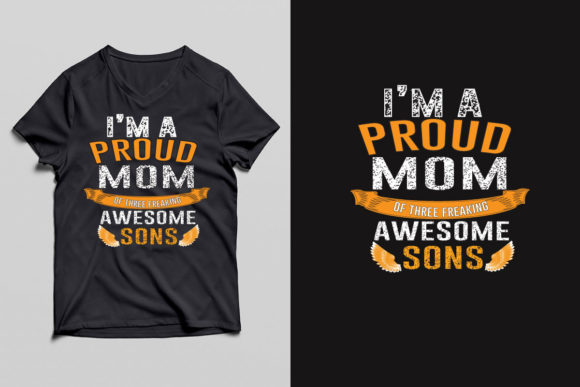
The immediate appeal of the Proud Mom Tshirt Design lies in its emotional clarity. The theme is universal, yet the execution determines whether it feels generic or premium. Upon opening the file, the layout suggests a balanced composition that prioritizes readability. For embroidery, this is crucial. Complex, cluttered designs often turn into muddy blobs of thread once stitched out. This design, however, maintains distinct shapes and clear spacing between elements.
The mood is warm and celebratory, making it an ideal candidate for personalized gifts and boutique merchandise. When I visualize this on a product, I do not see a mass-produced item. I see a thoughtful addition to a handmade product line. The visual personality is clean enough to stand out on busy fabrics but detailed enough to hold interest up close. For Etsy sellers and craft business owners, this balance is the difference between a scroll-past and a sale.
Real-World Application Scenarios
To truly test a design, you must imagine it in specific contexts. I mentally placed the Proud Mom Tshirt Design on several common substrates to gauge its versatility.
- Sweatshirt Embroidery: On a heavy cotton blend hoodie, the design would benefit from fill stitch areas that provide texture without excessive bulk. The bold nature of the theme pairs well with the casual comfort of a sweatshirt.
- Tote Bag Design: Canvas bags are popular for grocery runs and beach days. Here, the design needs to be large enough to be seen from a distance. The vector nature of the source file allows for easy scaling to fit a standard tote dimension without losing edge quality.
- Baby Embroidery: For onesies or burp cloths, the scale must be reduced. This is where caution is needed. If the original graphic contains fine lines, they may disappear on small garments. However, the core message remains strong even at smaller sizes if simplified correctly.
- Embroidered Patch: Creating a patch requires dense stitching and a merrowed or satin border. This design’s contained shape makes it a strong candidate for patch creation, adding value as a standalone accessory.
For holiday embroidery or wedding gifts, the sentiment fits perfectly. A custom apparel piece featuring this design becomes a keepsake rather than just clothing. It enhances the giftability of the finished product, encouraging buyers to choose your small shop product over a generic alternative.
Technical Considerations for Stitching
While the aesthetic is promising, the technical execution defines the quality of the final output. The product description notes that you will receive a vector file RGB color mode and an EPS 10 version. This is excellent for graphic designers creating printable mockups or adjusting colors in Illustrator before digitizing. However, for machine embroidery, this is not a ready-to-stitch file like a PES or DST. You must digitize it or convert it using specialized software.
When preparing this machine embroidery design, pay close attention to stitch density. Large areas of solid color can pull fabric if the density is too high. I recommend using a combination of satin stitch for borders and text, and a light fill stitch for larger background elements. Avoid heavy saturation in the center of the design to prevent puckering, especially on thinner fabrics.
Thread colors play a massive role here. Since the source is RGB, colors may shift when converted to CMYK for print or matched to physical embroidery threads. Always test your thread chart against the digital preview. High contrast is key. If you are stitching on a dark fabric, ensure the design elements are bright enough to pop. Conversely, on light fabric, avoid pale threads that might vanish under store lighting.
Fabric and Hoop Constraints
Not every surface is friendly to every design. The Proud Mom Tshirt Design performs best on stable, medium-weight fabrics. Here is where you need to exercise caution:
- Stretchy Fabric: T-shirts and jerseys require a cut-away stabilizer to prevent distortion. Without proper stabilization, the design will warp after the first wash.
- Textured Fabrics: Towels or fleece can swallow small details. If the design has intricate corners or tiny lettering, these may get lost in the pile. Consider simplifying the design or increasing the size for these materials.
- Curved Surfaces: Caps and hats present a challenge. The design must be narrow enough to fit within the cap’s front panel curvature. Check your hoop size limitations before committing to a hat project.
- Dark Fabric: Stitching light colors on dark fabric often requires an underlay or a backing layer to prevent the fabric color from showing through the stitches.
Always test the design on scrap fabric first. This simple step saves hours of frustration. Check how the running stitch outlines behave and whether the applique design elements, if used, lay flat. Inspect small details closely. If a curve looks jagged in the simulation, it will look jagged in thread.
Commercial Viability and Brand Consistency
For commercial embroidery projects, consistency is currency. Buyers trust brands that deliver uniform quality. The Proud Mom Tshirt Design, when executed well, reinforces professionalism. It shows that you care about the details. Whether you are selling digital embroidery files or finished items, the presentation matters.
Use this design to build brand recognition. If your shop specializes in family-themed items, this becomes a staple in your catalog. Create printable mockups to showcase the design on various products before you stitch a single thread. This helps customers visualize the end result and increases buyer engagement. However, always confirm licensing terms. While the file is easy to modify, ensure you have the right to sell finished products or digital derivatives based on this specific graphic.
Final Verdict for Makers
The Proud Mom Tshirt Design is a versatile asset for those willing to put in the technical legwork. It is not a plug-and-play solution for every machine, but its vector foundation offers immense flexibility. For embroidery designers, it provides a solid base to create custom digitized files. For handmade shop owners, it offers a heartfelt theme that resonates with a wide audience.
Remember to check the specific stitch count and format compatibility if you are converting this yourself. Review the design in black and white to ensure contrast holds up. Use the proper stabilizer for your fabric choice. When done correctly, this design elevates a simple garment into a cherished personalized gift. It is a strong addition to your library of design assets, provided you respect the technical demands of the embroidery process.